
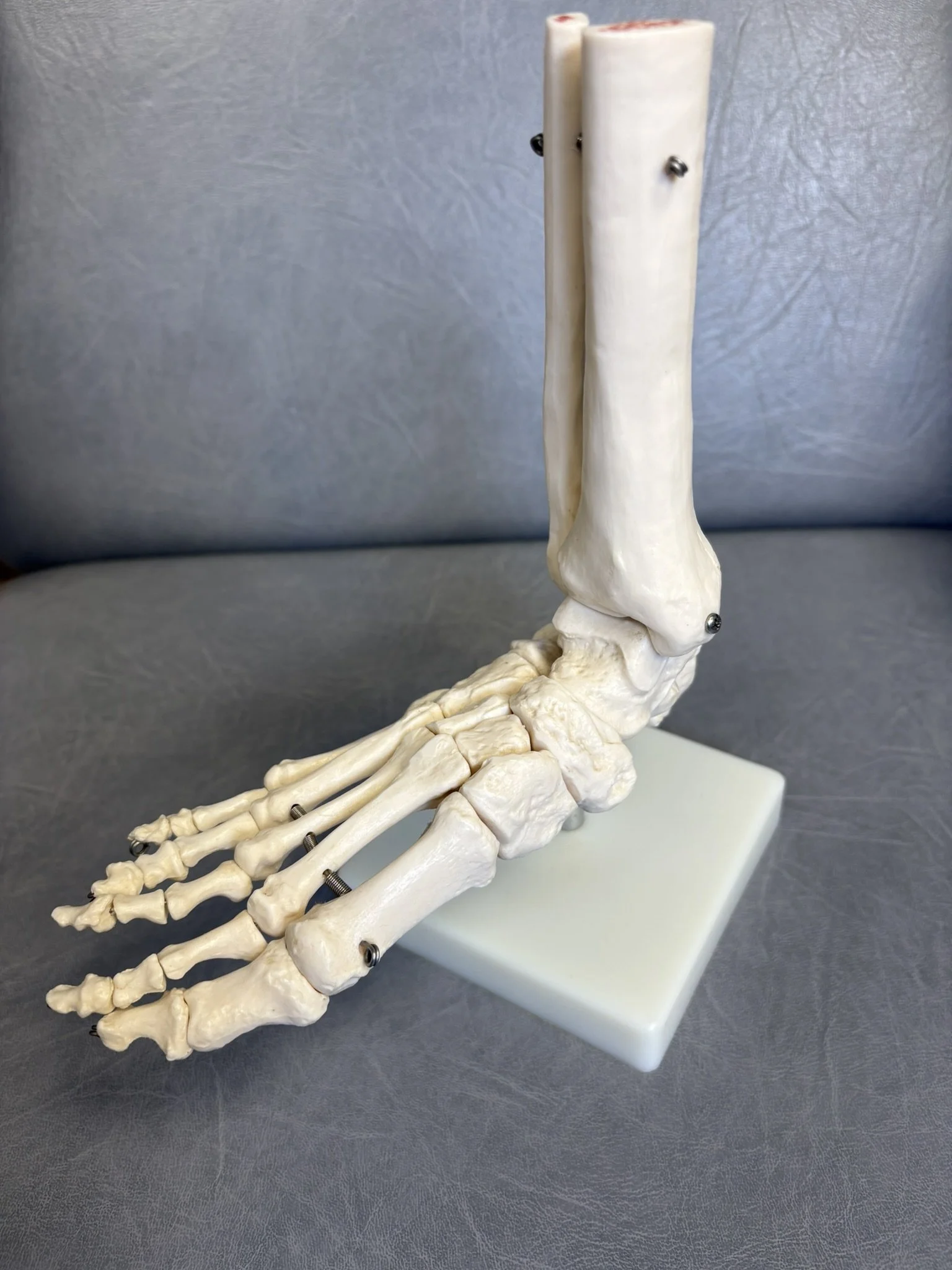
The short answer
If your feet have become flatter over time and you’ve started noticing heel pain, arch pain, or ankle discomfort, you may be experiencing Adult‑Acquired Flat Foot (AAFF) — a progressive condition caused by weakening of the tendons that support your arch. It’s common, often misunderstood, and very treatable when caught early.
What Is Adult‑Acquired Flat Foot?
Most people think flat feet are something you’re born with. But many adults develop flat feet later in life due to gradual changes in the soft tissues that support the arch — especially the tibialis posterior tendon, which acts like a dynamic sling under the foot.
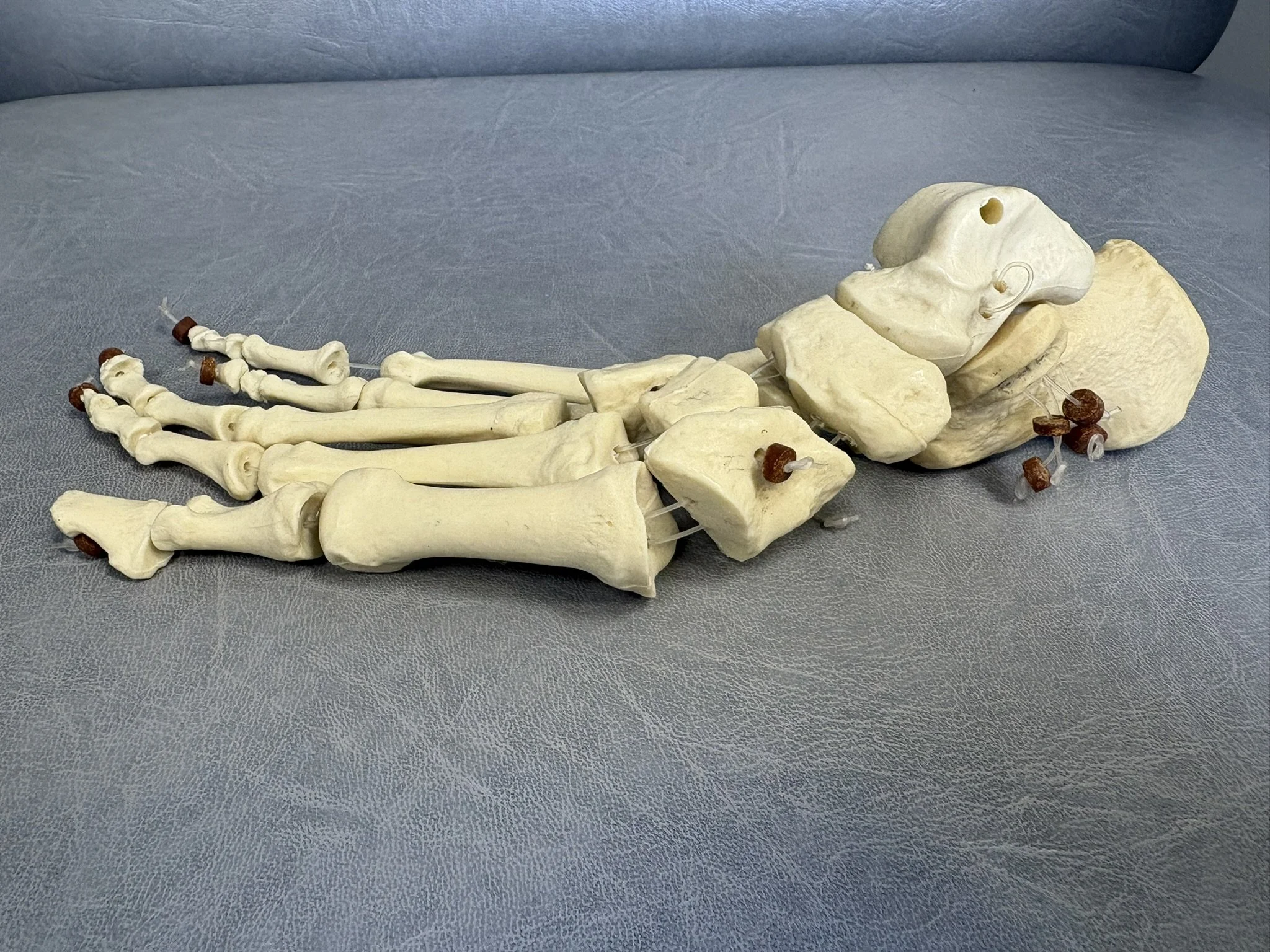
When this tendon becomes strained, inflamed, or weakened, the arch begins to collapse. This change doesn’t happen overnight; it’s slow, subtle, and often first noticed as new foot pain after the age of 40.
Why Does It Happen More After 40?
Several age‑related factors contribute:
Tendon fatigue — decades of load, activity, and micro‑strain
Reduced collagen strength — natural ageing of soft tissues
Weight changes — increased load on the arch
Lifestyle shifts — more standing, less structured exercise
Previous injuries — ankle sprains or long‑standing pronation
These factors combine to make the arch less resilient, especially during walking, running, or long days on your feet.
The First Warning Sign: Heel Pain
Heel pain is often the earliest symptom of AAFF — and it’s frequently mistaken for plantar fasciitis.
How AAFF heel pain differs from plantar fasciitis
Pain is often on the inner side of the heel, not just the bottom
Pain may spread into the arch or inside ankle
Symptoms worsen after long walks, not just first thing in the morning
The foot may look flatter, especially on one side
Supportive shoes or orthotics may help temporarily but not fully
If your heel pain hasn’t responded to stretching or rolling exercises, AAFF may be the underlying cause.
Other Symptoms to Look Out For
Arch pain or a “pulling” sensation
Swelling around the inside of the ankle
Difficulty standing on tip‑toes
Feeling like your foot “rolls in” more than it used to
Shoes wearing out faster on the inside edge
One foot becoming noticeably flatter than the other
These symptoms indicate that the arch‑supporting structures are under strain.
Why Early Diagnosis Matters
AAFF is progressive — meaning it can worsen over time if untreated. Early intervention can:
Reduce pain
Prevent further arch collapse
Improve walking comfort
Avoid long‑term deformity
Reduce the need for bracing or surgery
The earlier it’s identified, the easier it is to manage.
How Podiatrists Diagnose Adult‑Acquired Flat Foot
A proper assessment usually includes:
Biomechanical examination
Tendon strength testing
Gait analysis
Foot posture evaluation
Ultrasound or MRI if tendon damage is suspected
Imaging is especially helpful when heel pain is persistent or when tibialis posterior dysfunction is suspected.
Treatment Options That Actually Help
Treatment depends on the stage of the condition, but commonly includes:
1. Targeted Strengthening
Exercises that specifically activate the tibialis posterior and intrinsic foot muscles.
2. Supportive Orthoses
Custom or semi‑custom devices that reduce strain on the collapsing arch.
3. Footwear Changes
Structured shoes with medial support and firm heel counters.
4. Activity Modification
Reducing high‑impact activities during flare‑ups.
5. Bracing (in more advanced cases)
Ankle‑foot orthoses to stabilise the arch and ankle.
6. Imaging‑guided care
Ultrasound or MRI to assess tendon integrity when symptoms persist.
When to Seek Help
You should see a podiatrist if:
Your heel pain has lasted more than 4–6 weeks
Your arch looks flatter than it used to
Pain is worse after walking or standing
You’re struggling with tip‑toe movements
One foot is noticeably more painful or flatter
A podiatrist can help determine whether your heel pain is simply plantar fasciitis — or part of a bigger mechanical issue.
The Bottom Line
Flat feet that develop after 40 are common, treatable, and often overlooked. Heel pain is frequently the first sign that your arch is under strain, and early assessment can prevent long‑term problems.
If you’ve noticed new heel pain or changes in your foot shape, a structured MSK assessment can help identify the cause and guide you toward the right treatment.